

Sign up for our Newsletter
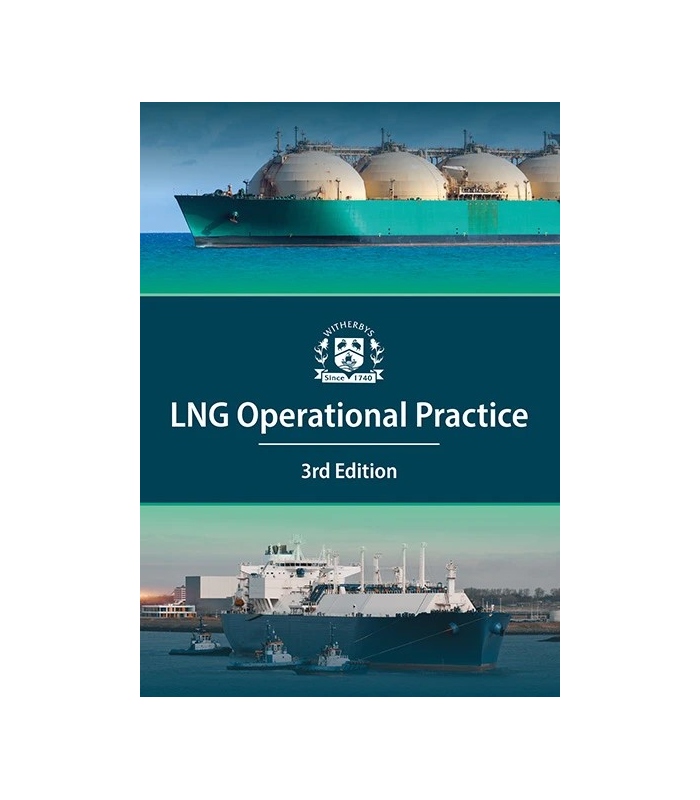

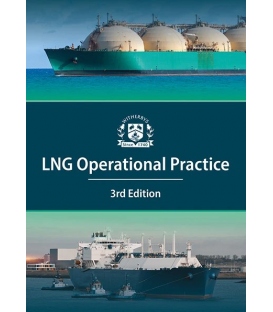
LNG Operational Practice, 3rd Edition 2026
This third edition also discusses emerging technologies, refinements in onboard practices and up-to-date operational experience, helping to ensure this title remains an essential reference for ships’ officers working on board LNGCs and for officers looking to transition onto LNGCs. As Emil Karlovic, Master, MOL LNG Transport (Europe), notes in the foreword, these updates help evolve the title into a “must-have” for LNGC officers.
Detailed Overview
The book covers the operations undertaken throughout a typical trading cycle for an LNG carrier, including post-dry dock operations; drying of cargo tanks; inerting of cargo tanks; gassing-up; initial cooldown; cargo loading; departure from the load port and the laden voyage; cargo discharge; ramp-down and post-discharge operations; the ballast voyage; ship-to-ship transfer; and preparations for dry dock, including warming-up, inerting and aeration of cargo tanks. Expanded guidance on post-discharge operations and planning considerations for future voyages is also included.
Operational 3D models have been revised and annotated, with colour-coded arrows showing the direction of flow to provide greater clarity of the processes involved, particularly during drying, inerting and gassing-up.
Introduction
This third edition discusses emerging technologies, refinements in onboard practices and up-to-date operational experience, helping to evolve this title into a must-have for ships’ officers working on board LNGCs, or for officers looking to transition onto LNGCs.
Emil Karlovic
Master,
MOL LNG Transport (Europe)
Contents Listing
Acknowledgements
Section 1: General Information
1 Physical Properties, Composition and Characteristics of LNG
1.1 Overview
1.2 Flammability of LNG
1.3 Saturated Vapour Pressure (SVP)
1.4 Vapour Density
1.5 Safety Precautions in LNG Handling
2 Normal Trading Cycle of an LNGC
3 Cargo Containment Systems
3.1 Overview
3.2 Moss Rosenberg (Moss)
3.3 Mark III (GTT
3.4 NO96 (GTT)
4 Cargo Handling Equipment
4.1 Cargo Pump
4.2 Spray/Stripping Pump
4.3 High Duty Compressor
4.4 Low Duty Compressor
4.5 Gas Heater
4.6 Vaporiser
4.7 Reliquefaction Plant
4.8 Gas Combustion Unit (GCU)
5 Auxiliary Equipment
5.1 The Cargo Valves Remote Control System
5.2 Ship/Shore Link and ESD System
5.3 N2 Generator
5.4 IG Plant
5.5 Custody Transfer and Measurement System (CTMS)
5.6 Cargo Tank Gauging System
5.7 Gas Detection Equipment
5.8 Cofferdam Heating System
5.9 Vacuum Pumps
5.10 Tank Overflow Protection
Section 2: Post Dry-dock Operations
6 Operations Related to Auxiliary Systems
6.1 Moss Type LNG Carriers
6.2 Membrane Type LNG Carriers (Mark III and NO96)
7 Cargo Tank Operations
7.1 Drying of Cargo Tanks
7.2 Inerting of Cargo Tanks
7.3 Gassing-up the Cargo Tanks
7.4 Initial Cooldown of Cargo Tanks
Section 3: In-service Operations
8 Loading Operations
8.1 Overview
8.2 Preparation for Loading
8.3 Pre-loading Operations
8.4 Cooldown for Loading
8.5 Ramp-up to Bulk Rate
8.6 Bulk Rate Loading
8.7 Ramp-down
8.8 Post-loading Operations
8.9 Departure from Load Port
9 Laden Voyage
9.1 Overview
9.2 Laden Voyage of LNG Carriers with Gas Burning Propulsion System
9.3 Laden Voyage of LNG Carriers with Reliquefication Plant
9.4 Further Considerations on Laden Voyage
10 Discharge Operations
10.1 Overview
10.2 Preparation for Discharge
10.3 Pre-discharge Operations
10.4 Ramp-up to Bulk Rate
10.5 Operational Description – Bulk Rate Discharge
10.6 Ramp-down
10.7 Post-discharge Operations
10.8 Departure from Discharge Port
10.9 Further Considerations During Discharge
11 Ballast Voyage
11.1 Overview
11.2 Heel Management
11.3 Further Considerations on Ballast Voyage
12 Ship to Ship Transfer Operations
12.1 Pre-arrival Stage
12.2 Approach and Mooring Stage
12.3 Cargo Transfer Stage
12.4 Post-transfer Procedure
Section 4: Pre Dry-dock Preparations
13 Cargo Tank Operations
13.1 Warming up Cargo Tanks
13.2 Inerting of Cargo Tanks
13.3 Aeration of Cargo Tanks
Glossary
About the Author
Witherbys titles are developed using scripts developed by technical experts that are peer reviewed within work groups. Typically, they seek to improve understanding of the regulations, recommendations and guidelines issued by Industry.
Witherbys staff have significant expertise in the fields of navigation and hazardous cargoes as well as in the presentation of complex subjects in a graphic and easy to understand manner.